9+ curated guides • Updated September 2025
In 2023, our handbags are having an identity crisis. On one shoulder, we see the rise of the cavernous, 'prepared-for-anything' tote, while on the other, the tiny, impractical micro-bag reigns supreme. This isn't just fashion; it's a fascinating cultural tug-of-war between our need for control in a chaotic world and our desire for carefree minimalism. We are not merely choosing an accessory; we are subconsciously choosing an emotional state. This sartorial schizophrenia reveals a deeper collective unpacking of our anxieties, aspirations, and the conflicting selves we wish to be as we navigate a world that feels both more precarious and more precious than ever before.
We've all seen the shocking images of a multi-million dollar mansion consumed by flames. But the real story isn't the disaster; it's what happens after the smoke clears. Faced with a truly blank slate, how do the world's most famous people build not just a new house, but a fortress of resilience and a testament to who they are now? This architectural rebirth, what I call the Phoenix Effect, is more than a construction project; it's a profound act of psychological reclamation. By sifting through the ashes, these individuals are forced to confront their deepest anxieties about safety, legacy, and the very meaning of 'home.' The result is often a structure that is less a statement of wealth and more a suit of armor, meticulously engineered to withstand the next catastrophe while simultaneously healing the trauma of the last.
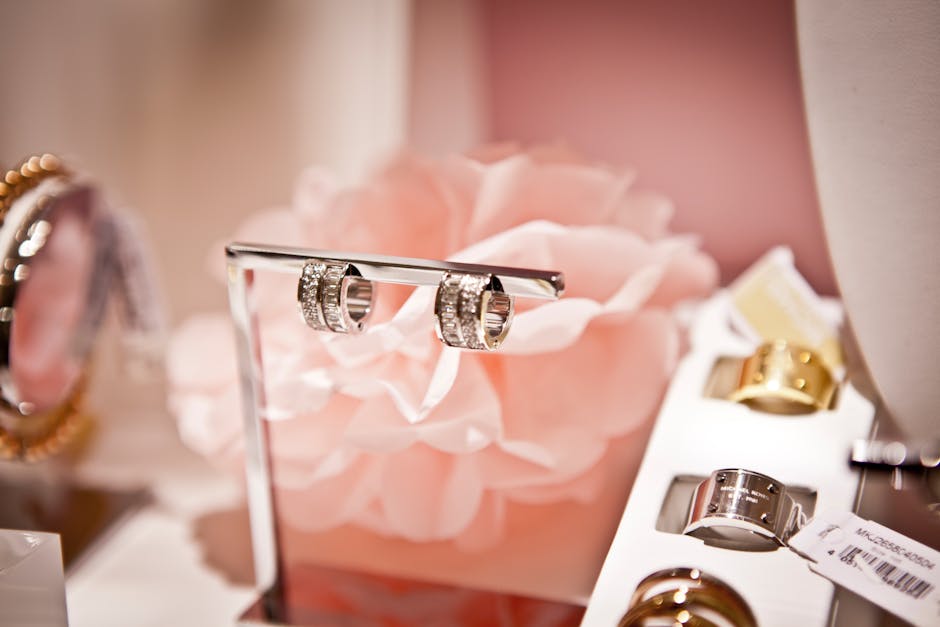
Look closely at that intricate gold filigree in the museum display. It wasn't made by a machine or a 3D printer; it was crafted using skills that are now on the brink of extinction. This isn't just about 'fancy' gold jewellery—it's a journey into the soul of the craft, exploring the forgotten arts that modern technology may never replicate. My master, a man whose hands hold more history than most textbooks, calls this the 'ghost in the gold'—the indelible, human signature left by a true artisan. We are not here to discuss what is trendy or expensive; we are here to discuss what is priceless and disappearing. We will journey past the glitter of the showroom to the hushed, focused world of the master's bench, where the real magic happens.
Your search for a 'fashion accessories shop near me' probably led you to the same three chain stores you already know. But the most memorable pieces—the ones that tell a story—aren't found on the first page of Google. Let's ditch the algorithm and learn how to hunt for the truly unique accessories hiding in plain sight in your own neighborhood. This guide is your new map, trading sterile search results for the thrill of discovery. We're not just shopping; we're embarking on a mission to find the soul of our city's style, one handcrafted piece at a time. Forget the predictable. It's time to become a curator of your own collection, filled with items that have a pulse, a history, and a creator you can champion.
We all know the infamous moments: the shocking tear, the overzealous slit, the fabric that turned traitor under the flashbulbs. But what if these weren't just tabloid fodder, but the accidental sparks of genius? This is the hidden history of how fashion's most notorious 'oops' moments became the unlikely architects of new technologies, iconic trends, and even the very tools we use on the internet today. These moments of sartorial crisis are not footnotes in fashion history; they are the pressure points where creativity is born from chaos. By dissecting these high-profile 'failures,' we uncover a hidden narrative of progress, proving that sometimes, the most important inventions are the ones that happen by accident.
That 70-inch TV for 50% off seems like a steal, but is it? Before you join the digital stampede, understand that many Black Friday 'deals' are designed to trick you into spending. We're here to reveal the psychological traps and perennial duds, ensuring the only thing you get this year is genuine value. Our analysis of multi-year pricing data and retail strategies shows that some of the most-hyped discounts are merely clever illusions. This isn't about skipping the sales; it's about navigating them with surgical precision, armed with data that retailers hope you'll ignore. We're pulling back the curtain on the products that consistently fail to deliver on their promises.
While most shoppers are chasing fleeting discounts on tools and holiday decor, the smartest investors are playing a different game. We'll show you how to ignore the noise and use the Lowe's Black Friday sale to strategically purchase the key items—from light fixtures to faucets—that deliver a measurable ROI, turning your shopping cart into a wealth-building tool. This isn't about saving 20% on a drill you'll use twice; it's about spending $200 to add $2,000 in perceived value before an appraisal. We're not shopping; we're executing a financial strategy. Below, we'll break down the five specific deals that turn Lowe's into your personal equity-generating partner.
When a major celebrity scandal breaks, we see a familiar story: the public fall from grace, the tearful apology, and the cancelled contracts. But while our attention is glued to the star at the center of the storm, a different story is unfolding in the shadows—one of calculated moves, massive paydays, and a hidden industry that thrives on disaster. Forget the salacious details for a moment. The real story isn't about the affair, the leaked email, or the damning video. The real story is about the multi-million dollar 'scandal economy'—a sophisticated network of crisis managers, media empires, and legal tacticians who view a celebrity's worst day as their biggest payday. This isn't just about damage control; it's a marketplace where reputation is the commodity, and the price is always high.
You meticulously choose the 'low-fat' yogurt, the 'gluten-free' crackers, and the 'organic' juice, believing you're making the best choice for your body. But what if the packaging is lying to you? The truth is, the food industry spends billions on psychological tricks to make you feel good about buying sugar-packed, highly processed foods in disguise. This isn't about shaming your choices. It's about pulling back the curtain on the multi-billion dollar stage production designed to manipulate your purchasing habits. They’ve cast certain buzzwords—'natural,' 'light,' 'whole grain'—as the heroes, creating a 'health halo' that blinds you to the nutritional villainy lurking in the ingredients list. Let's unmask the imposters.